Home Safety 101: Room-by-room upgrades that prevent everyday "oh no" moments
Summary: Most home accidents are not dramatic. They are predictable: a slip stepping out of the shower, a dark hallway at night, a slow leak that quietly becomes expensive, or a smoke alarm that is past its useful life. The good news is that meaningful home safety improvements usually come down to a short list of practical changes and a few well-chosen products.
Most home accidents are not dramatic. They are predictable: a slip stepping out of the shower, a dark hallway at night, a slow leak that quietly becomes expensive, or a smoke alarm that is past its useful life. The good news is that meaningful home safety improvements usually come down to a short list of practical changes and a few well-chosen products.
This guide focuses on the highest-impact upgrades you can make room by room, with straightforward product categories (and example items to look up on Amazon) to help you take action.
Start with the biggest risk: trips and falls
Quick wins you can do today
- Clear clutter from walkways, especially the bedroom-to-bathroom route.
- Remove throw rugs, or secure them with non-slip backing or double-sided tape.
- Tape/coil cords so you do not need to step over them.
- Add lighting anywhere you "guess" your way through at night (hallway, bathroom, stairs).
Amazon search ideas (examples)
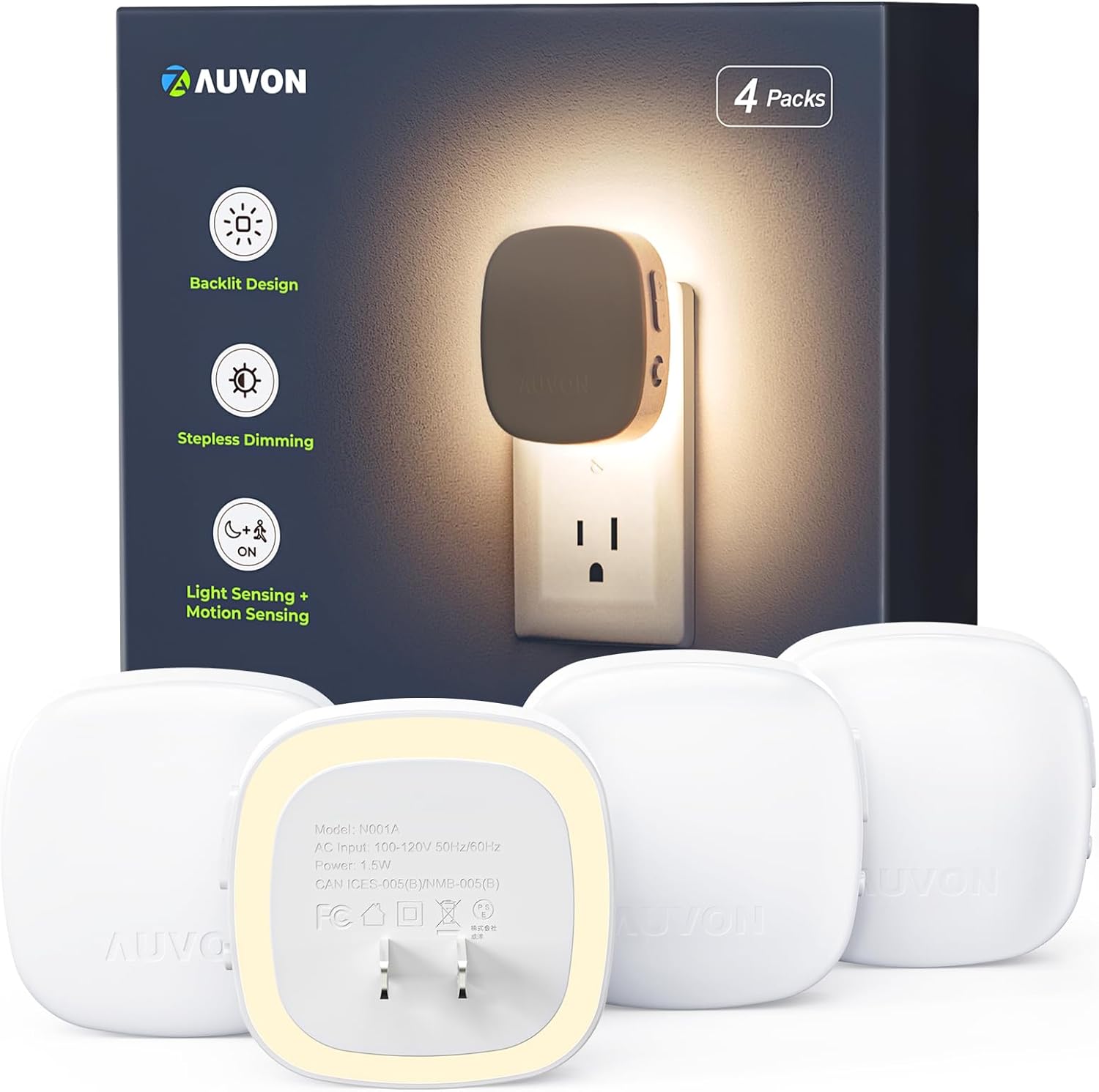
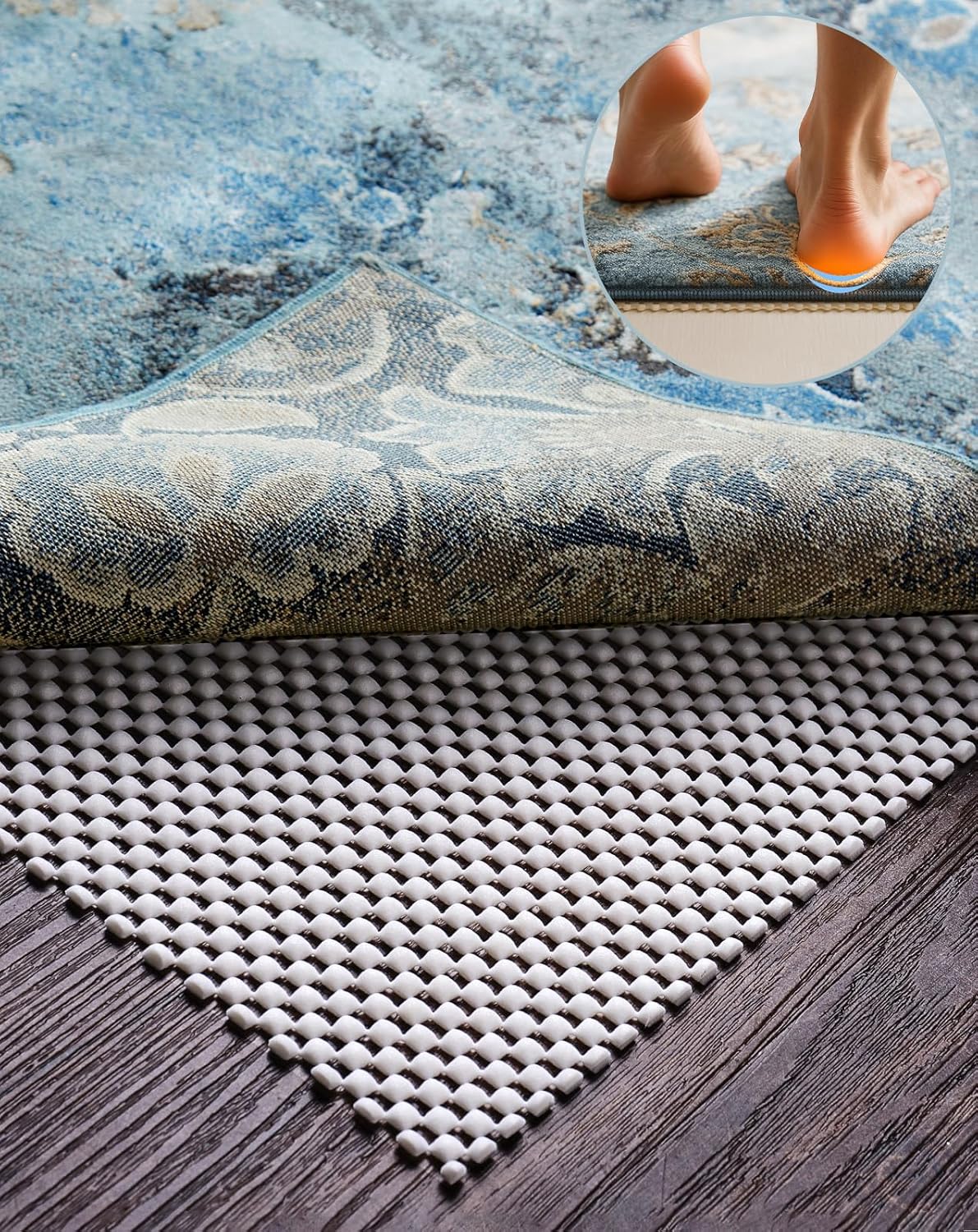
- Non-slip floor tape for slick surfaces
Bathroom safety: traction and stable support
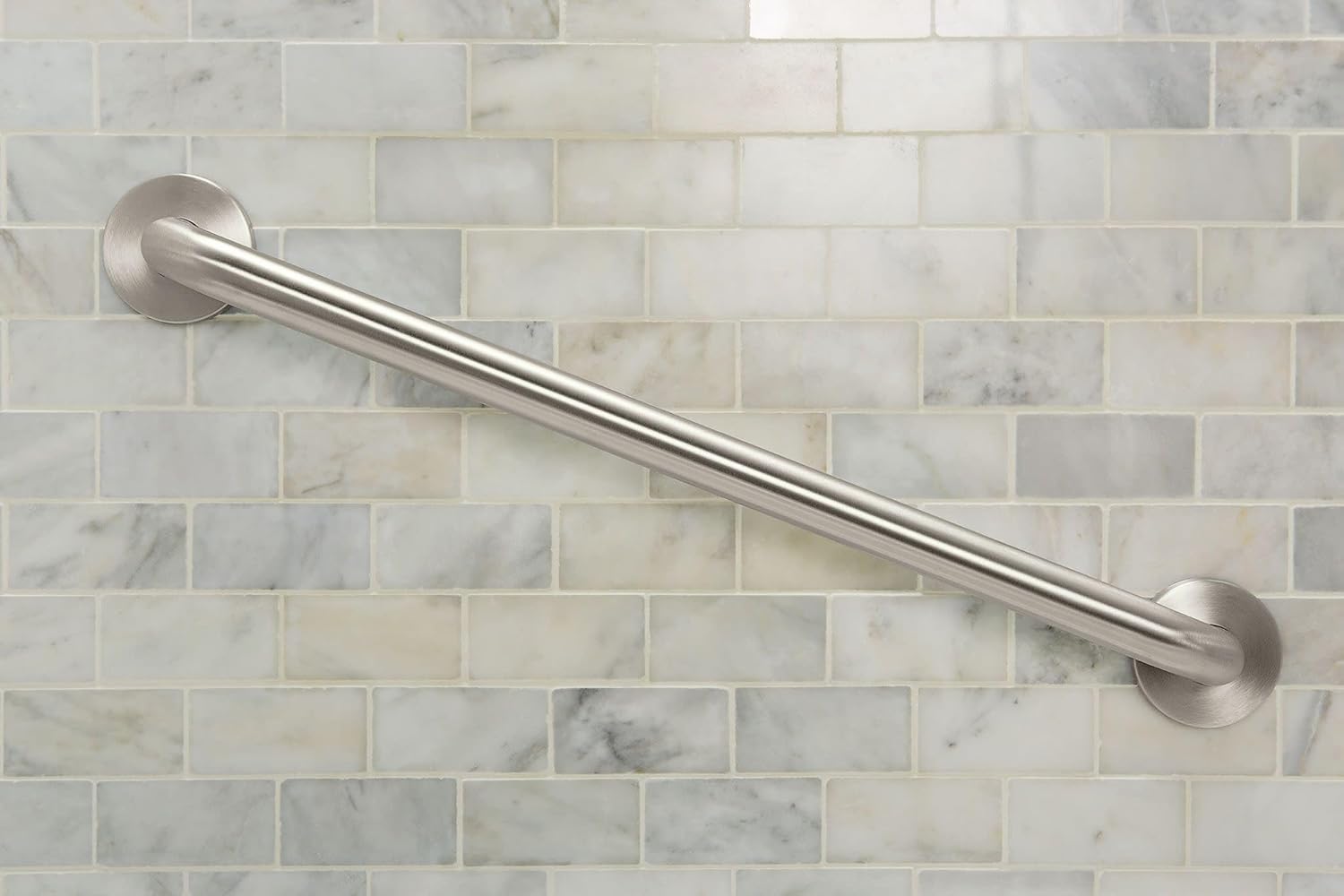
Practical steps include using non-slip surfaces and adding grab bars in key areas such as near the shower/tub and toilet.
What helps most
- Non-slip footing: a tub/shower mat or adhesive non-slip strips.
- Grab bars: installed where a person needs support when standing, stepping in/out, or transferring.
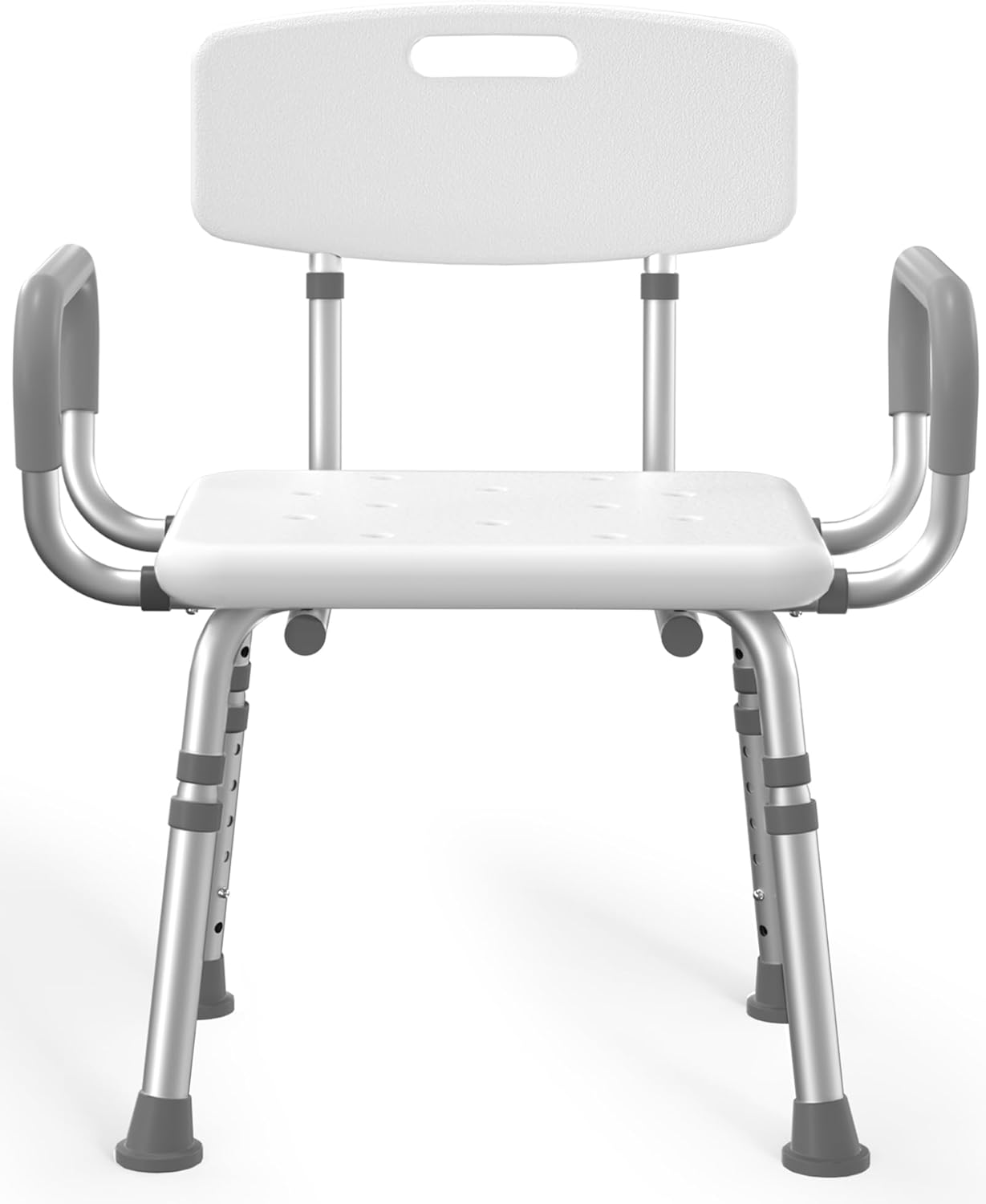
- Shower chair: useful for balance issues, fatigue, or post-surgery recovery.
Safety note (important) Grab bars only help if installed correctly for the wall type (studs or appropriate anchors). If you are unsure, hire a qualified handyman.
Amazon search ideas (examples)
Fire and carbon monoxide safety: protect your home while you sleep
Practical steps
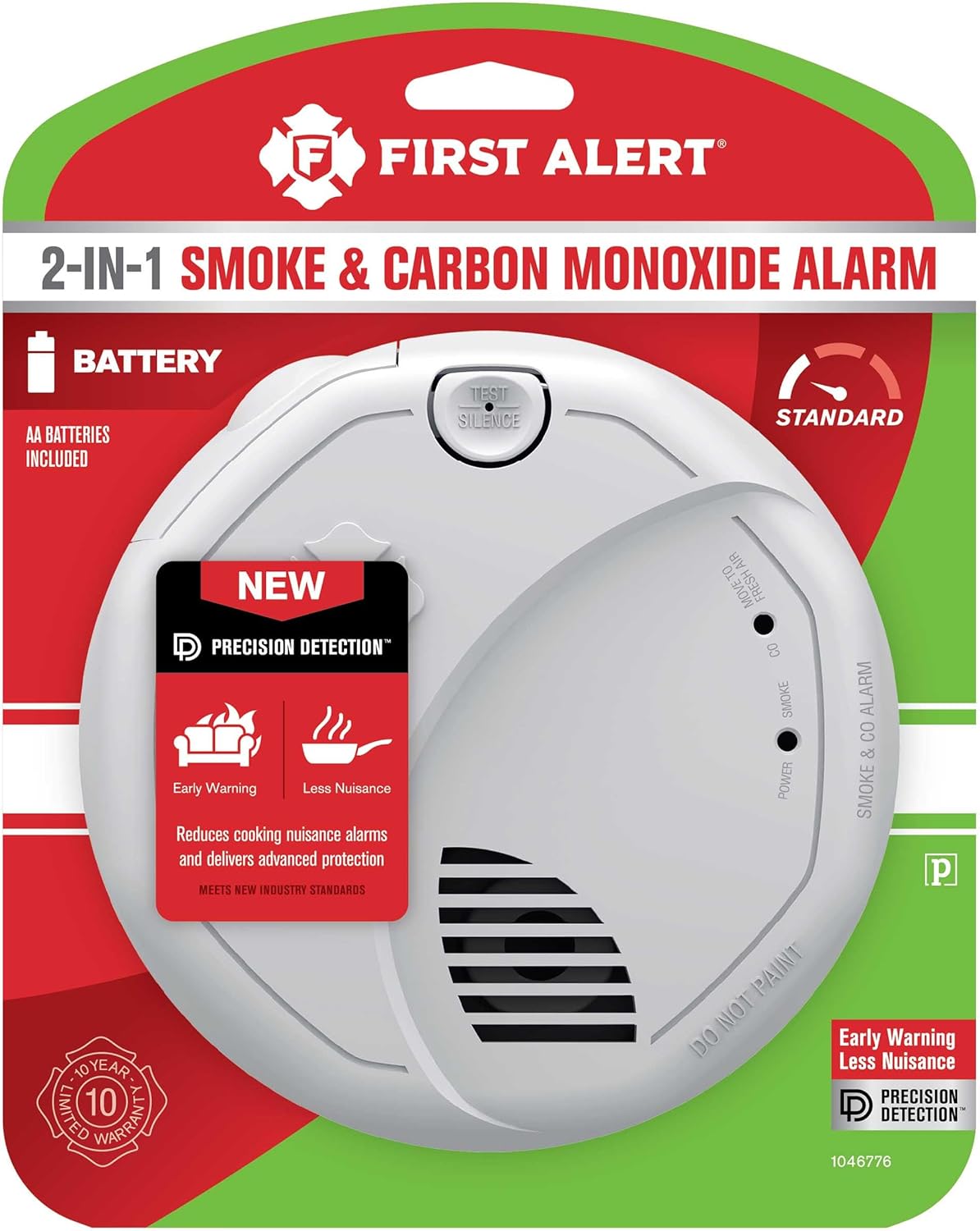
- Press the test button monthly.
- Check the manufacture date and replace alarms around the 10-year mark.
- Use CO alarms as appropriate for your home and follow manufacturer instructions.
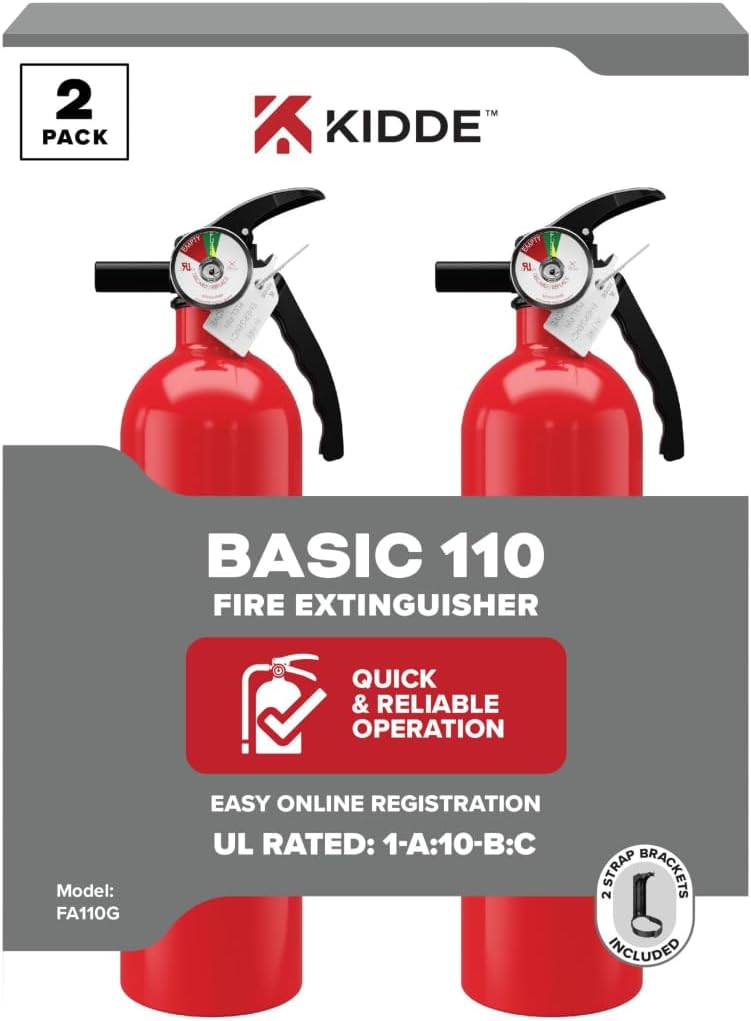
Fire extinguishers The American Red Cross notes that an extinguisher rated A-B-C is recommended for home use, and the USFA recommends looking for certified labels (such as UL Listed/ULC Listed).
Simple placement plan
- One extinguisher in or near the kitchen (but not so close you cannot reach it if the stove is on fire)
- One near the garage/laundry/utility area
Amazon search ideas (examples)
Amazon search ideas (examples)
- Doorknob-to-lever adapters
- Easy-grip faucet handles
- Brighter bulbs for hallways and stairs (choose the right brightness for comfort)
A simple "Safety Walk" checklist (10 minutes)
- Night route test: Walk bedroom → bathroom in low light. Remove trip hazards and add motion lighting where needed.
- Bathroom test: Can you step in/out safely with one hand free? If not, add non-slip surfaces and consider grab bars.
- Alarm test: Press the test button monthly and plan replacement at about 10 years.
- Leak test: Look under sinks and around the washer/water heater; add leak sensors where a leak would be expensive.
Need Help Making Your Home Safer?
Our team at Blue Wave Home Care can help you create a safer home environment. Contact us today for a free consultation and home safety assessment.
Get Started Today